In this guide…
The industrial guide to cleaning and degreasing
Understanding industrial cleaners, solvents, safety, and the shift towards safer chemicals
Industrial cleaning might not always receive the spotlight, but behind the scenes it plays a crucial role in keeping manufacturing, engineering, and maintenance operations running safely and efficiently.
From aerospace components to rail infrastructure, automotive parts to marine engines, grease, oils, carbon deposits, and machining fluids build up quickly in industrial environments. Without effective cleaning, those contaminants can lead to equipment failure, inaccurate inspections, poor coating adhesion, or even safety risks.
That’s why industrial degreasing remains one of the most important processes in modern manufacturing and maintenance.
However, today’s industrial cleaning landscape is changing. Regulations around VOCs, workplace safety, and environmental responsibility are pushing organisations to rethink traditional degreasing chemicals and explore safer, more sustainable alternatives.
This guide explains:
- The different types of industrial cleaners and degreasers
- The pros and cons of solvent vs water-based cleaning
- Health and safety considerations, including VOCs and COSHH
- The growing trend towards safer and more sustainable cleaning technologies
- How different industries approach degreasing
What is industrial degreasing?
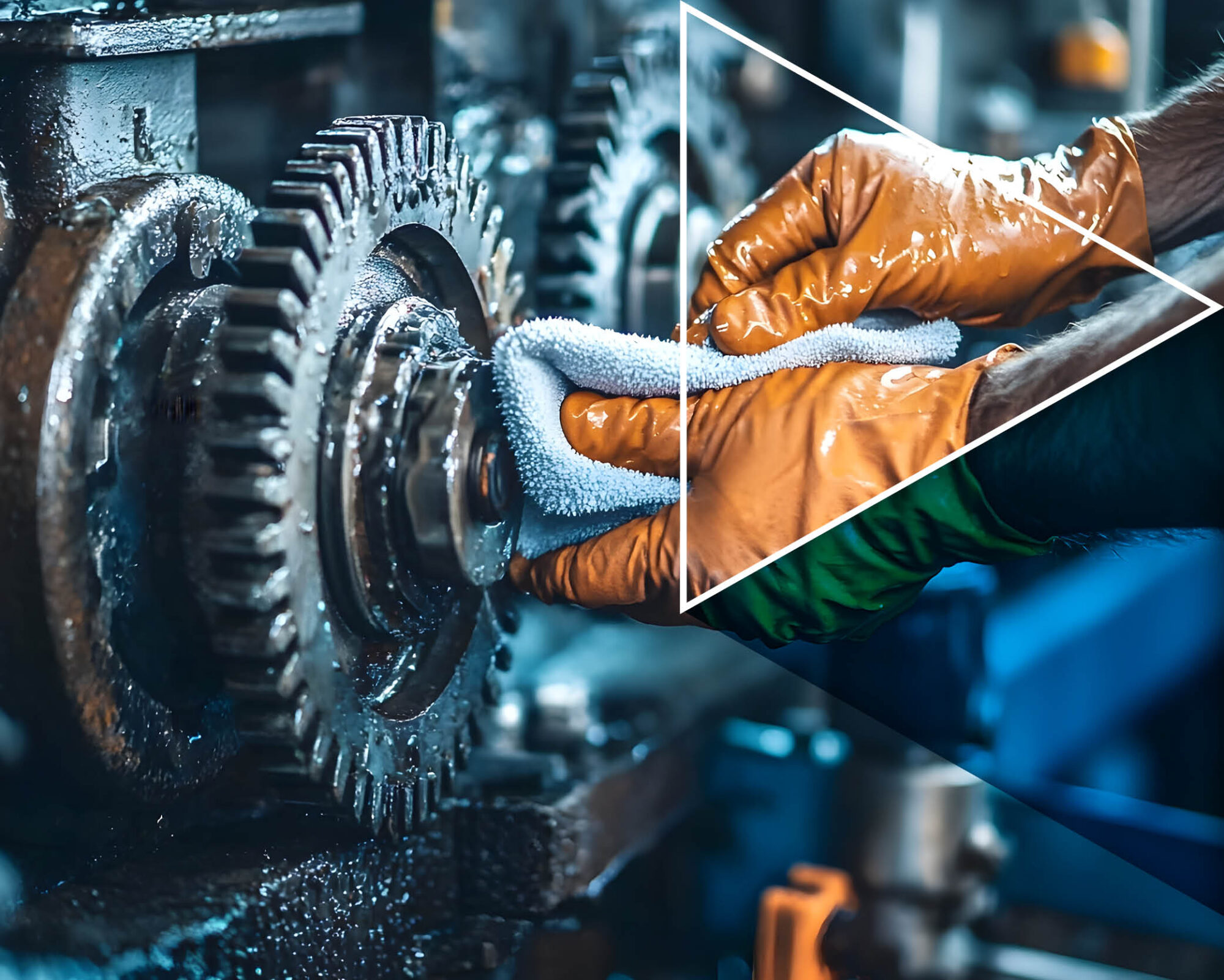
At its simplest, industrial degreasing is the process of removing grease, oils, and other contaminants from machinery, tools, and components in industrial environments. (Arrow)
It might sound straightforward, but the reality is more complex. Industrial equipment and manufactured components often accumulate heavy oils, machining fluids, carbon deposits, protective coatings, dust, and particulate contamination.
If these contaminants remain on parts or machinery, they can cause:
- Corrosion
- Overheating
- Component failure
- Reduced production quality
- Inspection errors
Effective industrial cleaner and degreaser systems help prevent these issues while supporting equipment reliability and production efficiency.
Industrial degreasing is widely used across sectors such as:
- Aerospace manufacturing and MRO
- Rail engineering and infrastructure
- Automotive production
- Marine and offshore operations
- Energy generation
- Precision engineering and subcontract manufacturing
In many cases, cleaning is far more than maintenance; it’s a critical step in the manufacturing process itself.
Types of industrial cleaners and degreasers
Not all industrial cleaning chemicals work the same way. In fact, selecting the right cleaning solution often depends on factors such as contamination type, material compatibility, and environmental considerations.
Broadly speaking, industrial degreasing falls into two main categories:
- Solvent-based cleaners
- Water-based degreasers
Let’s break down how each works.
Solvent degreasers
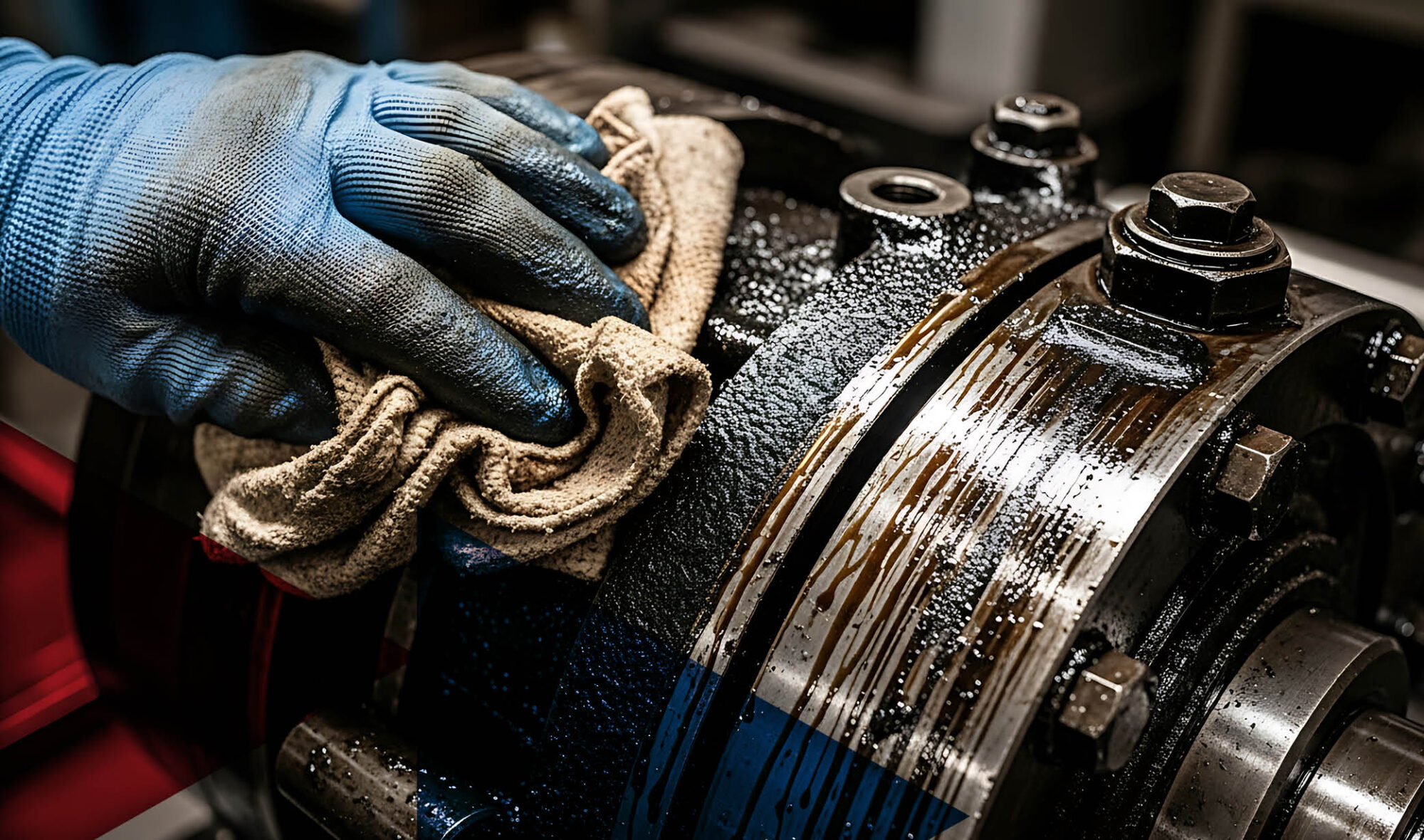
Solvent degreasers use organic chemicals to dissolve oils, greases, and residues directly from surfaces rather than lifting them away using water and detergents. (Better Engineering)
Because they dissolve contaminants so effectively, solvent cleaners have historically been the go-to solution for heavy-duty industrial degreasing.
You’ll often find them used in:
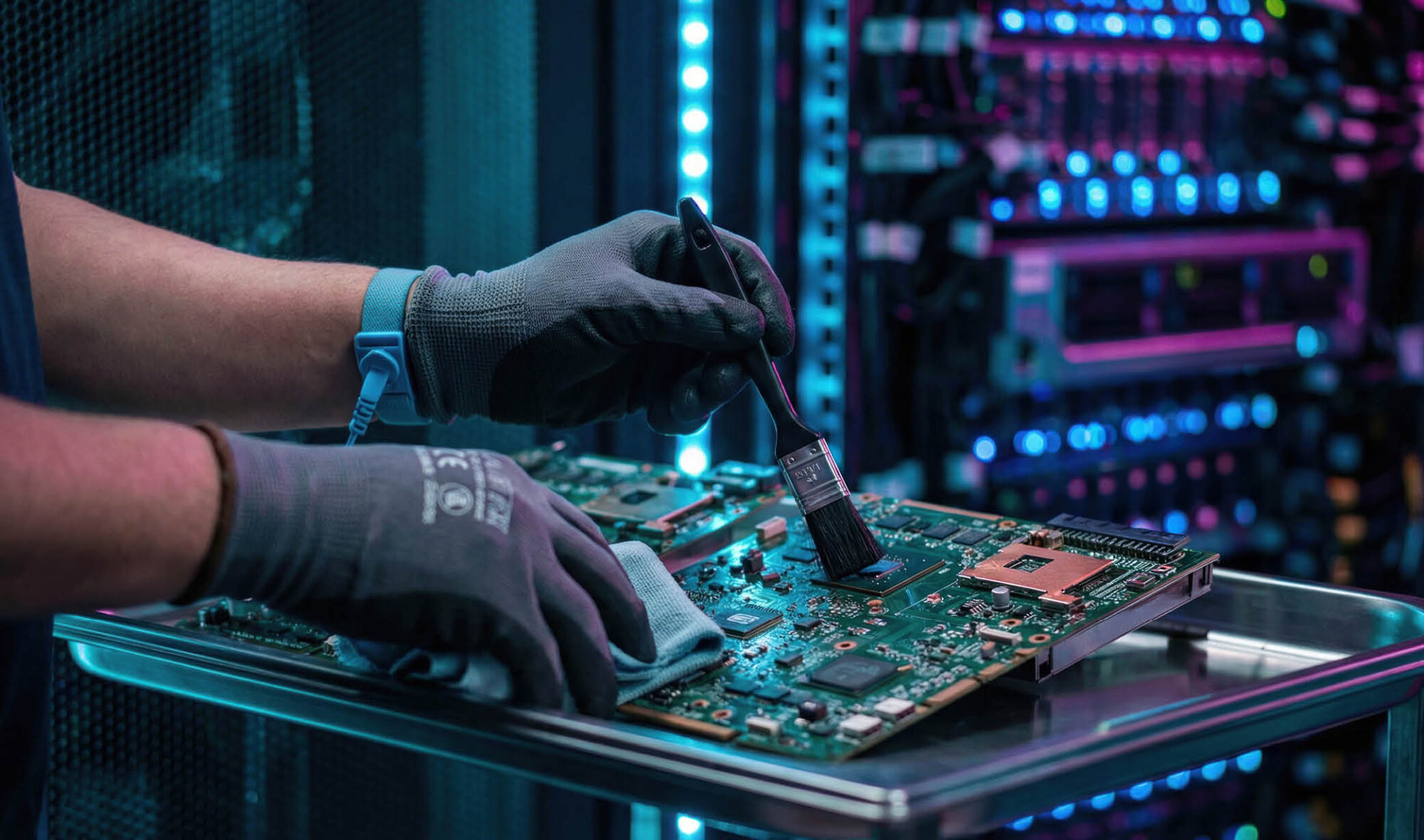
Electronics cleaning
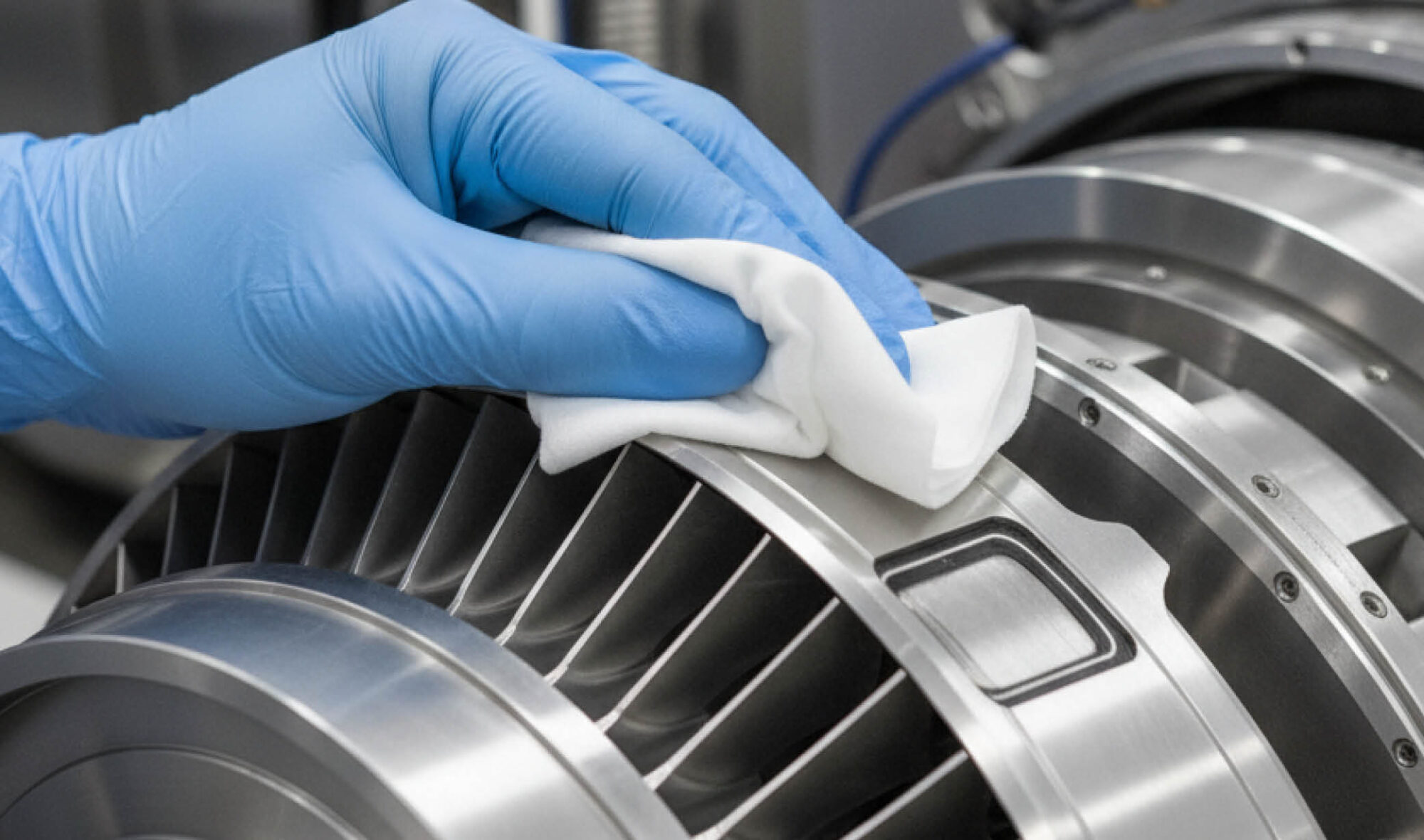
Aerospace component preparation
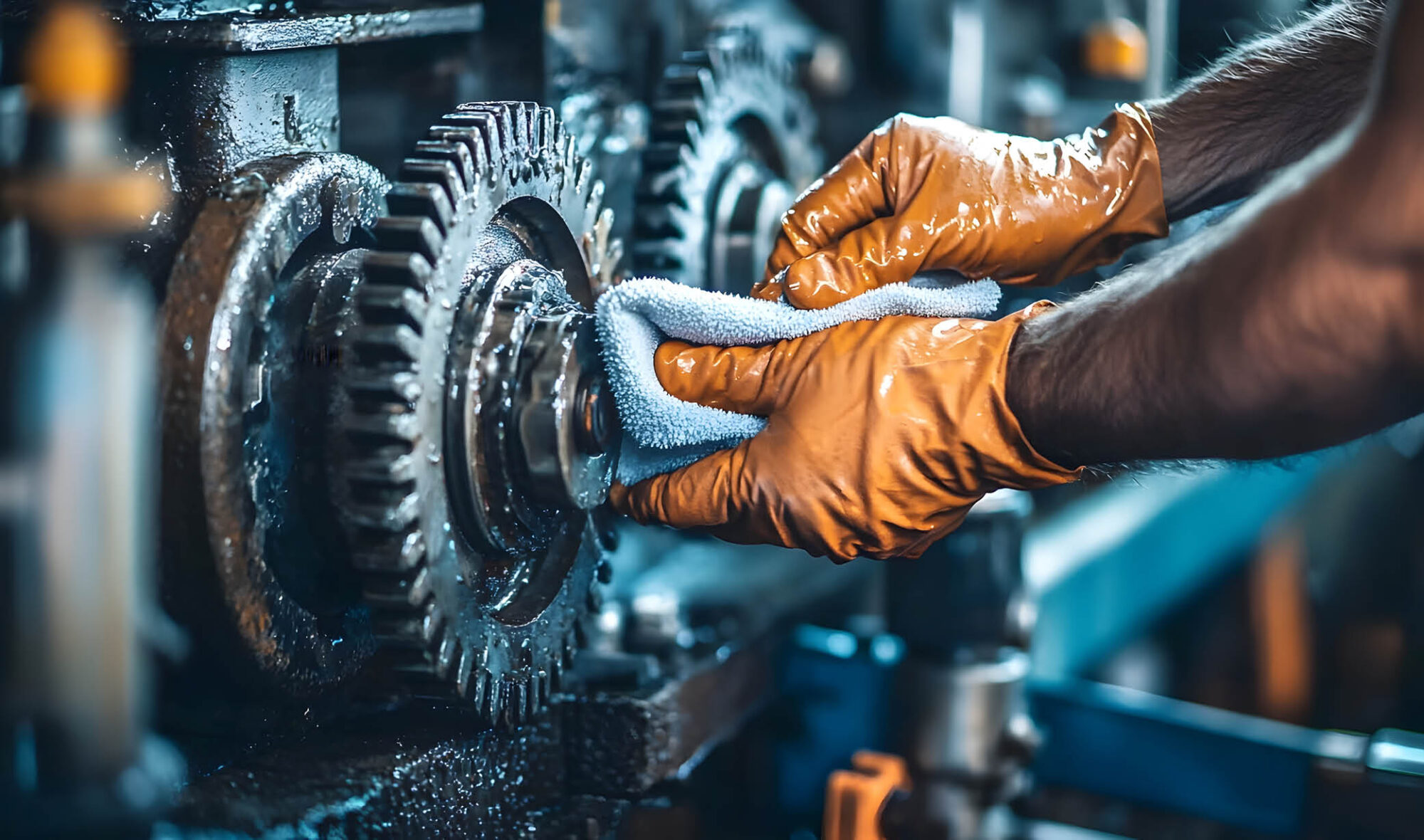
Maintenance workshops
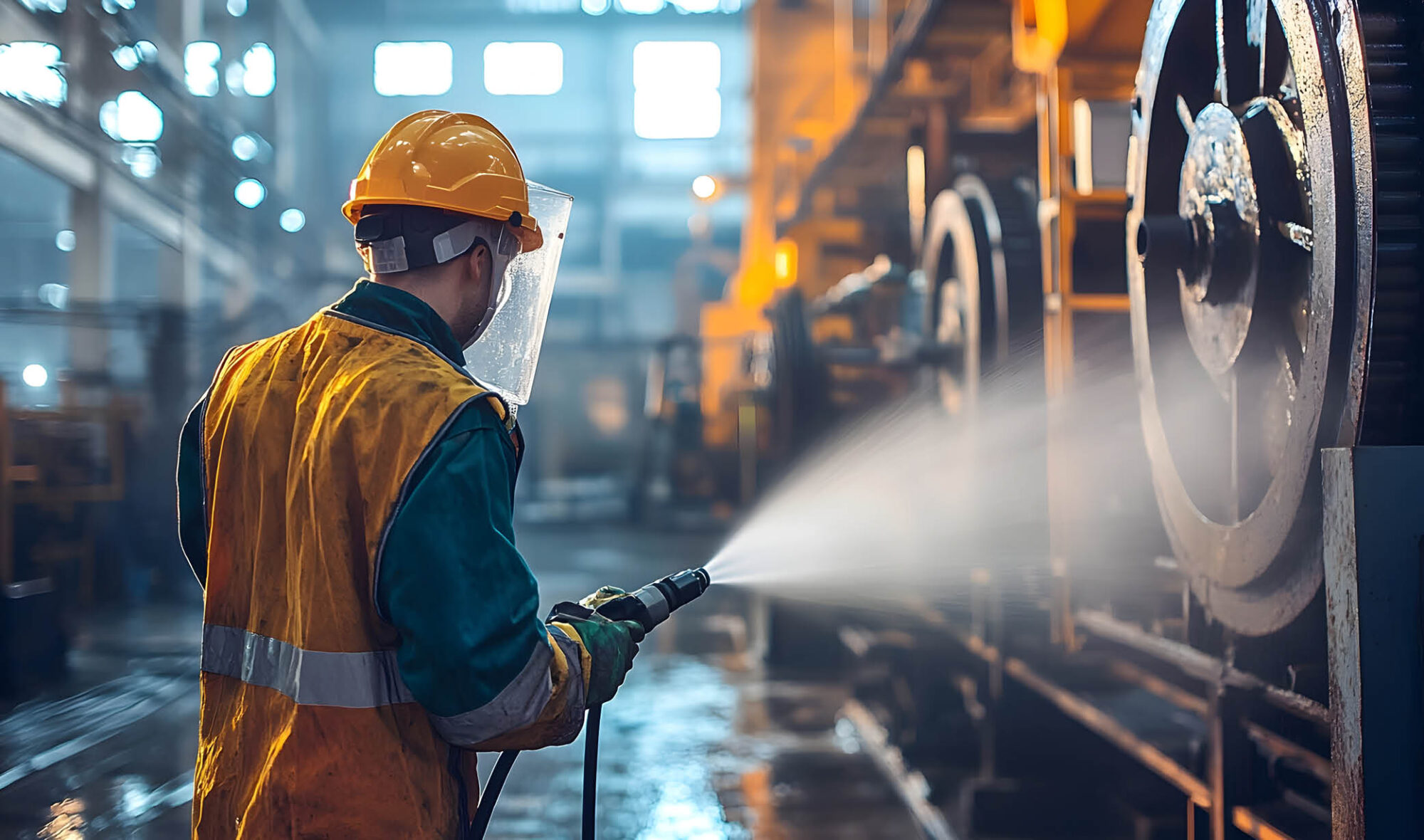
Heavy machinery degreasing

Fast turnaround production environments
Why solvent cleaners are popular
Solvent degreasers offer several advantages:
| Very effective on heavy oils and grease |

| Fast evaporation and drying |

| Minimal residue |

| Compatible with many metals and electronic components |
This makes them ideal where precision cleaning or fast production speeds are essential.
The downsides
However, solvent cleaners also come with challenges. Many traditional solvent cleaners contain Volatile Organic Compounds (VOCs) which can evaporate into the air during use.
VOCs are associated with:
- Air pollution and smog formation
- Respiratory irritation
- Headaches and long-term health effects with prolonged exposure (Arrow)
Because of these risks, industries are increasingly seeking low-VOC or alternative degreasing chemicals that maintain performance while improving safety and environmental compliance.
Water-based degreasers
Water-based degreasers have become one of the fastest-growing segments of the industrial cleaning market.
Instead of dissolving contaminants directly, these cleaners use surfactants and detergents to break oils into tiny droplets that can be rinsed away. (The Precision Companies)
They are commonly used in:
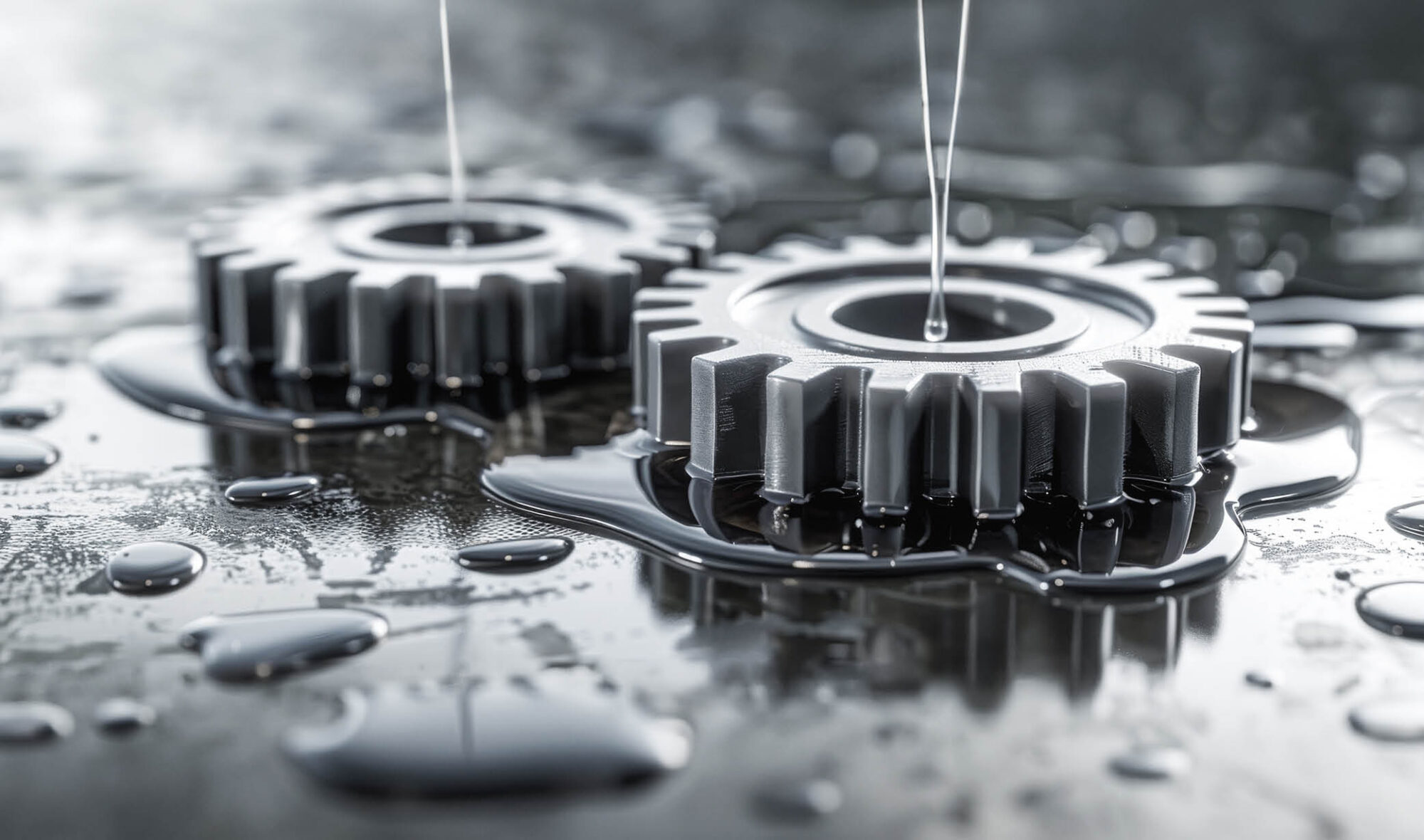
Parts washing systems

Metal degreasing

Manufacturing cleaning lines
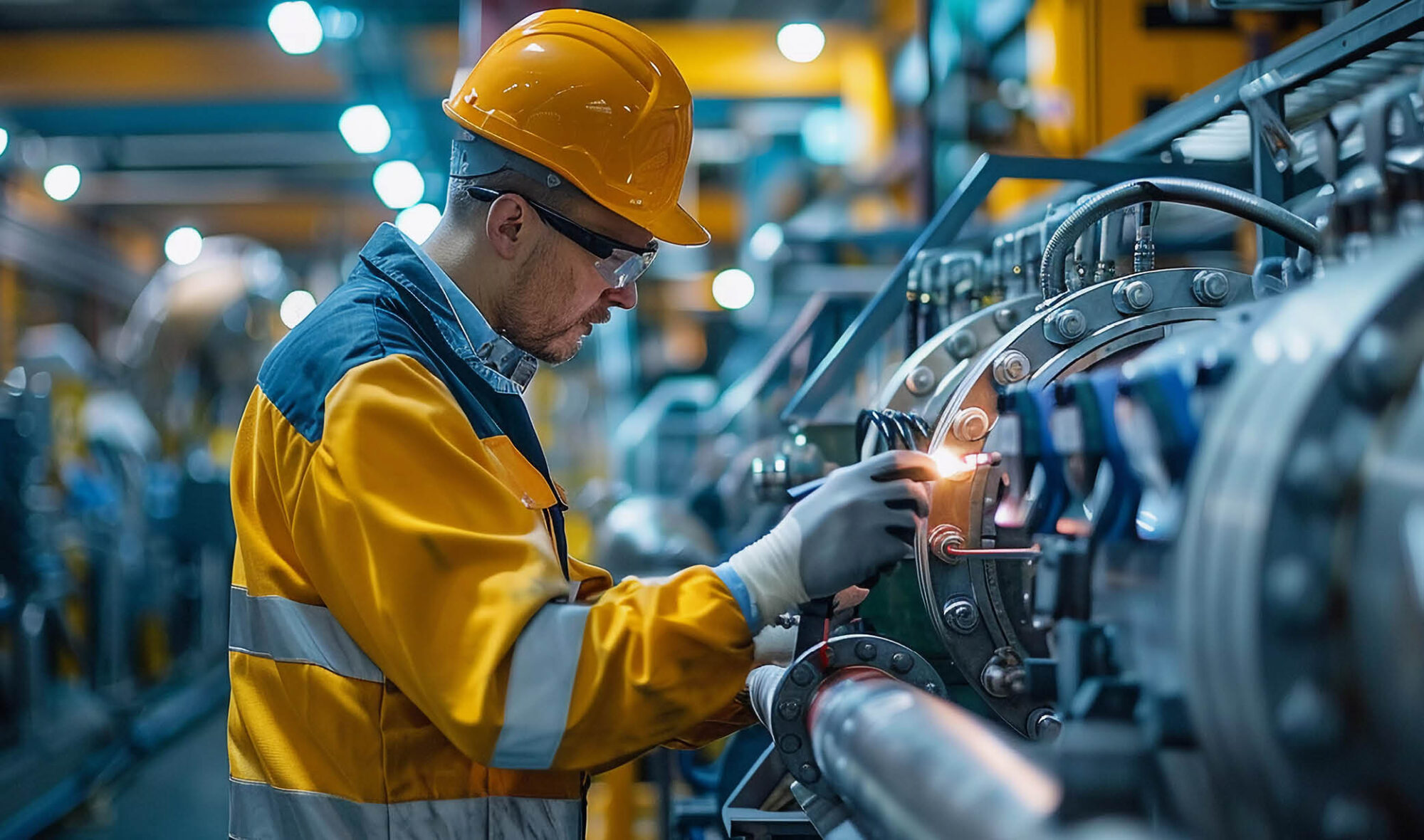
Workshop maintenance
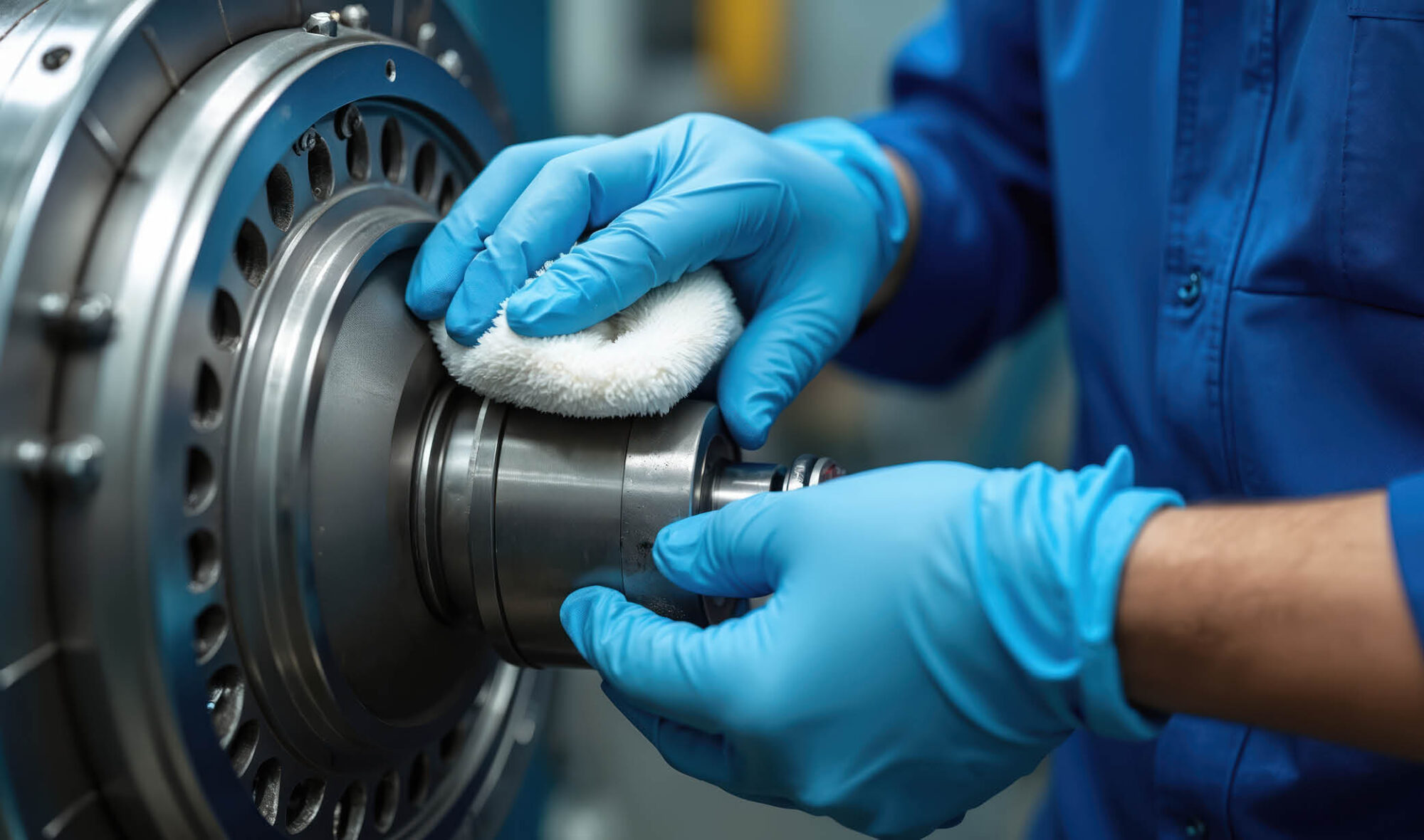
Surface preparation
Advantages of water-based degreasers
Water-based cleaners offer several benefits:

| Lower VOC emissions |

| Reduced flammability risks |

| Safer working environments |

| Often biodegradable formulations |
| Compatible with automated wash systems |
For many organisations trying to reduce environmental impact, aqueous cleaning is now the preferred industrial cleaning method.
Limitations
Of course, water-based cleaners aren’t always the perfect solution.
In some applications they may:
- Require heated wash systems
- Take longer to dry
- Struggle with extremely heavy contamination
In these cases, hybrid or engineered solvent systems may still be necessary.
Industrial cleaning wipes: a growing trend

One increasingly popular option in industrial maintenance is pre-saturated cleaning wipes.
Rather than handling bulk liquids, engineers and technicians can use wipes pre-loaded with industrial cleaner or degreaser solutions.
These are particularly useful for maintenance engineers, field service technicians, aerospace MRO teams, electrical and electronics cleaning, and spot cleaning during assembly.
The benefits are simple but effective:

Controlled chemical usage

Easier storage and transport

Safer handling

Reduced spillage
You can see examples of this approach in products like the Arrowipes® industrial wipes range.
For many MRO environments, wipes offer a safer and more practical alternative to aerosols or solvent baths.
Industrial cleaning requirements across key industries
While the chemistry may be similar, industrial cleaning requirements vary dramatically between sectors.
Different materials, regulations, and contamination levels all influence the choice of degreasing chemicals.
Key industries

Aerospace
In aerospace, cleanliness is critical. Aircraft components must meet extremely high cleanliness standards before processes such as:
- Bonding
- Coating
- Assembly
- NDT (non-destructive testing)
Even tiny residues can affect inspection accuracy.
For an example read more on our case study in aerospace MRO operations. Cleaning solutions must remove contaminants while leaving no residue that could interfere with inspection processes.
Rail engineering
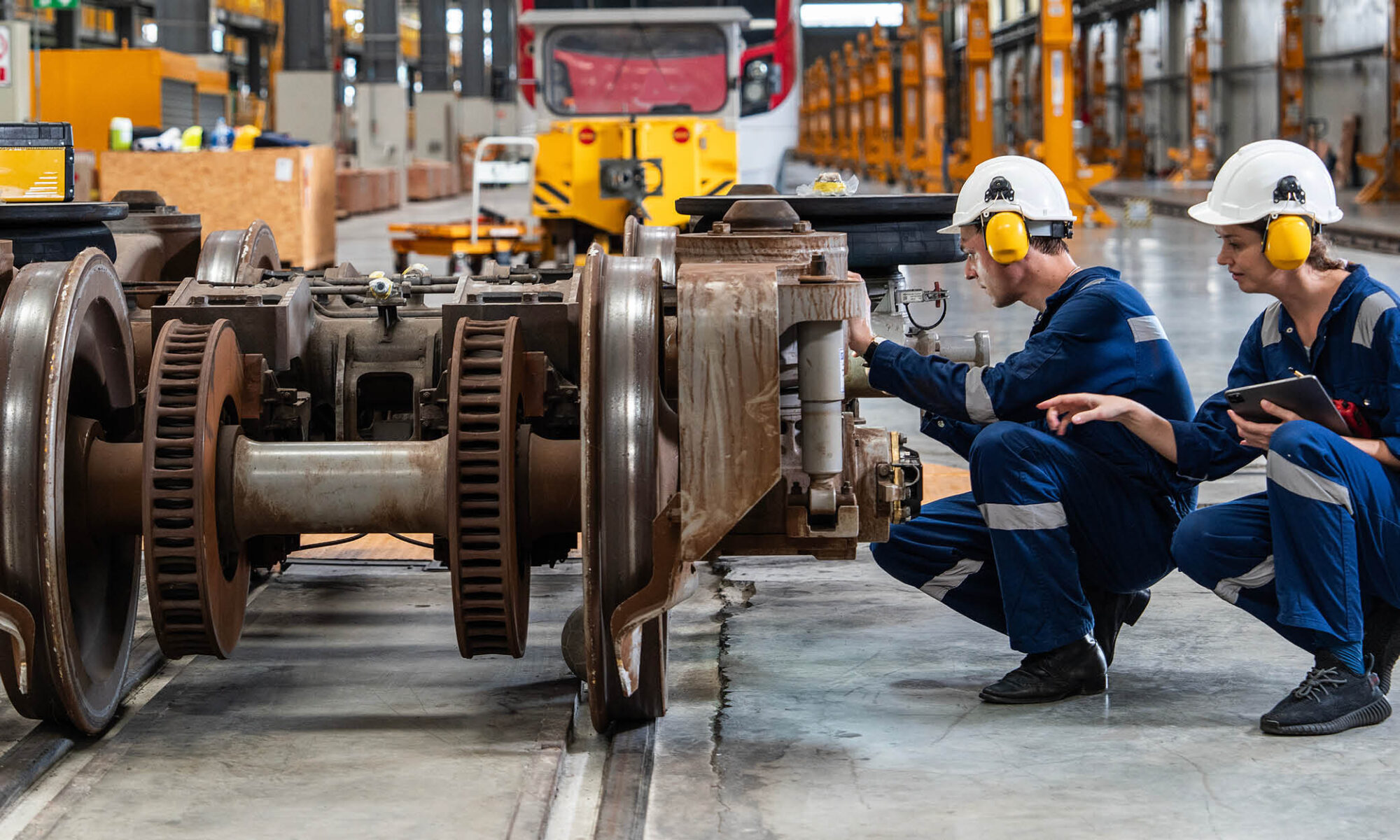
Rail maintenance operations deal with heavy mechanical components exposed to harsh operating environments.
Typical contaminants include:
- Thick grease deposits
- Brake dust
- Carbon build-up
- Traction oils
Industrial degreasers are used extensively during rolling stock maintenance.
A practical example can be seen on the train transformation with thickened oxalwash. Cleaning processes must be powerful enough to remove contamination while remaining safe for operators working in maintenance depots.
Automotive manufacturing
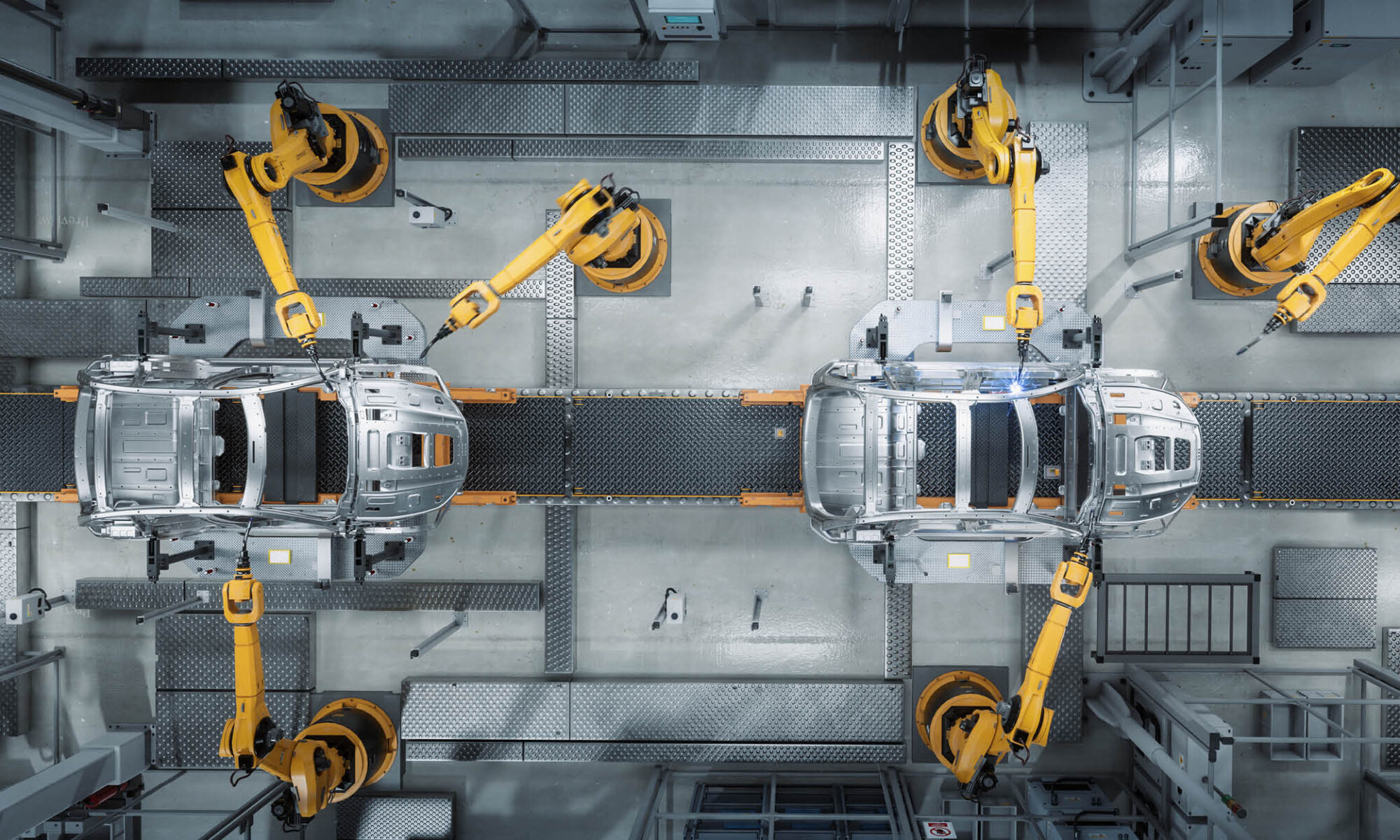
Automotive production relies heavily on metal degreasing.
During manufacturing, parts are exposed to:
- Machining oils
- Cutting fluids
- Metalworking lubricants
- Protective coatings
Before assembly or coating, those contaminants must be removed. Many automotive OEMs are now switching to water-based degreasers to reduce environmental impact.
Energy and marine
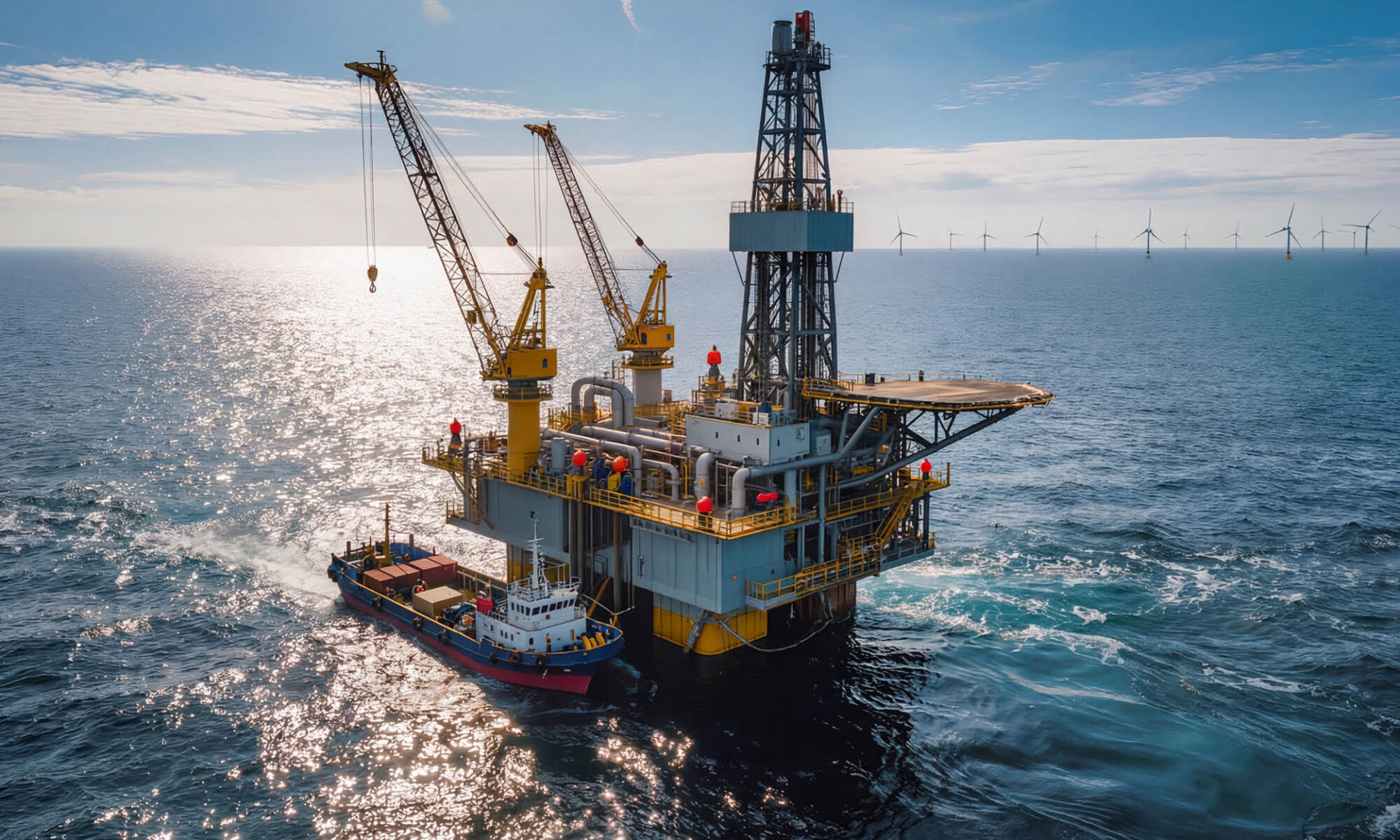
Marine and offshore environments present unique challenges.
Equipment often accumulates:
- Salt contamination
- Heavy lubricants
- Marine deposits
- Corrosion by-products
Cleaning solutions must be durable and effective while also meeting environmental regulations.

Engineering & precision manufacturing
Engineering workshops depend on industrial cleaners to maintain both machines and finished parts.
Typical applications include:
- Parts washing
- Degreasing before inspection
- Cleaning before packaging or assembly
- Removing cutting fluids
Engineering environments frequently use both solvent and aqueous systems depending on the process.
Understanding VOCs in industrial cleaning
Volatile Organic Compounds (VOCs) are chemicals that easily evaporate into the air.
Many industrial solvents release VOCs during use, which can contribute to air pollution and may pose health risks if inhaled in high concentrations. (Arrow)
This has led to increasing regulation of traditional solvents across many industries.
As a result, chemical manufacturers are developing:
- Low-VOC solvent alternatives
- Biodegradable cleaning formulations
- Water-based industrial cleaners
- Safer degreasing chemicals
The goal is simple: maintain cleaning performance while improving safety and sustainability.
Know your COSHH: chemical safety in the workplace
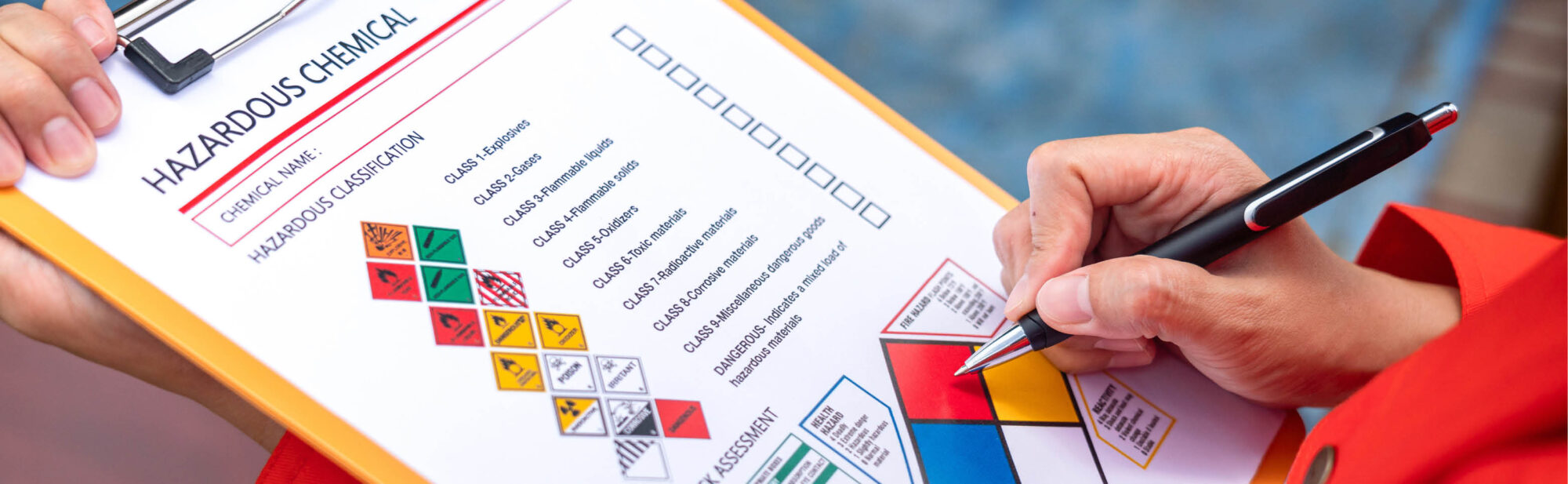
In the UK, industrial cleaning chemicals fall under COSHH (Control of Substances Hazardous to Health) regulations.
COSHH requires employers to assess and manage the risks associated with hazardous substances in the workplace.
Learn more from our COSHH guide!
Key COSHH responsibilities include:
- Identifying hazardous substances
- Carrying out risk assessments
- Providing training and guidance
- Ensuring safe storage and handling
- Providing appropriate PPE
Understanding COSHH symbols and safety information is essential for anyone working with degreasing chemicals or industrial cleaners.
PPE for industrial cleaning operations
Personal Protective Equipment (PPE) helps reduce exposure risks when handling industrial cleaning chemicals.
Typical PPE includes:
- Chemical-resistant gloves
- Safety goggles or face shields
- Protective clothing
- Respirators where required
The exact PPE requirements depend on the chemical formulation, concentration, and application method.

Always consult:
- COSHH assessments
- Safety Data Sheets (SDS)
- Manufacturer guidance
Comparison table: industrial cleaner types
| Cleaner type | Cleaning strength | VOC level | Drying time | Typical applications |
|---|---|---|---|---|
| Solvent degreasers | Very high | Medium–high | Fast | Heavy oils, electronics, precision parts |
| Water-based degreasers | Medium–high | Low | Slower | Parts washing, general metal degreasing |
| Industrial wipes | Medium | Low | Fast | Maintenance, field cleaning, spot degreasing |
.
Real-world industrial cleaning examples
Industrial cleaning solutions are rarely “one size fits all”.
Real applications often require tailored solutions depending on contamination levels, materials, and operational constraints.
Examples include:
Each case demonstrates how the right cleaning chemistry can improve:
- Maintenance efficiency
- Component quality
- Operational safety

Key takeaways
Industrial cleaning may seem routine, but it plays a vital role in manufacturing quality, maintenance efficiency, and workplace safety.
The most important points to remember:
- Industrial degreasing removes oils, grease, and contamination that affect equipment performance
- Solvent cleaners offer powerful degreasing but may carry VOC and safety risks
- Water-based degreasers are increasingly popular for their lower environmental impact
- Cleaning requirements vary significantly across industries
- COSHH compliance and proper PPE are essential when handling cleaning chemicals
- New technologies such as industrial wipes are improving safety and convenience
Most importantly, there is no universal solution – selecting the right industrial cleaner and degreaser depends on the application.
Speak to the industrial cleaning experts
Choosing the right industrial cleaner and degreaser can significantly improve equipment reliability, safety and environmental compliance.
Whether you’re reviewing solvent cleaners, exploring water-based degreasers, or looking for safer alternatives, expert advice can help identify the best solution for your application.
To learn more, speak to the team!
Their specialists work with organisations across aerospace, rail, engineering, automotive, and marine industries to deliver high-performance industrial cleaning solutions designed for real-world applications.
Frequently Asked Questions (FAQ)
What is industrial degreasing?
Industrial degreasing is the process of removing oils, grease and contaminants from machinery or components to maintain equipment performance and prepare surfaces for further processes. (Arrow)
What industries use industrial degreasing?
Industrial cleaning and degreasing is used across aerospace, rail, automotive, marine, engineering, and manufacturing sectors.
What is the best heavy-duty industrial degreaser?
The best solution depends on the contamination and application. Solvent degreasers are typically strongest, while water-based degreasers provide safer and more environmentally friendly alternatives.
Are water-based degreasers effective?
Yes. Modern water-based degreasers use surfactants and detergents to break down grease and oils effectively while reducing environmental impact. (The Precision Companies)
What are VOCs in degreasing chemicals?
VOCs are chemicals that evaporate into the air during use and can contribute to air pollution and health risks. (Arrow)
What PPE should be used with industrial cleaners?
Typical PPE includes gloves, eye protection and protective clothing, but requirements vary depending on the chemical formulation.


