
In the fast-paced world of industrial manufacturing, efficiency and cleanliness are paramount. As a leading chemical manufacturer, we understand the vital role that aqueous and solvent cleaners and degreasers play in maintaining this standard. These solutions are essential in removing oils, greases, and other contaminants that accumulate on machinery and equipment, ensuring optimal performance and longevity.
Our aqueous cleaners leverage the power of water-based solutions to deliver lower VOCs, better cost-in-use and highly effective cleaning. These formulations are designed to break down and emulsify dirt and grime, making them easy to rinse away. With a focus on sustainability, our aqueous cleaners are biodegradable and free from harsh chemicals, reducing the environmental impact without compromising on performance.
Solvent cleaners and degreasers, on the other hand, are indispensable for tackling the toughest industrial cleaning challenges. Their high solvency power dissolves stubborn residues, including heavy oils and carbon deposits, ensuring thorough cleaning where aqueous solutions may fall short. Our solvent cleaners are formulated to be fast-evaporating and non-corrosive, providing a safe and efficient solution for delicate components.
At the core of our approach is a commitment to innovation and quality. We continuously refine our products to meet the evolving needs of the industry, providing reliable, effective, and safe cleaning solutions that enhance productivity and extend the life of industrial equipment.

What is Degreasing?
Degreasing is the process of removing grease, oil, and other contaminants from machinery, tools, and components in industrial settings.
This essential maintenance task ensures the proper functioning and longevity of equipment by preventing the build-up of harmful substances that can lead to corrosion, overheating, or mechanical failure. Effective degreasing enhances productivity, reduces downtime, and maintains safety standards by ensuring equipment operates smoothly and efficiently.
Additionally, it supports environmental compliance by preventing the contamination of products and workspaces, thereby upholding the quality and reliability of industrial operations.
What types of degreasers are there?
In the industrial world, cleanliness is hugely important. Aqueous and solvent degreasing are two pivotal methods used to ensure equipment, components, and surfaces remain free of contaminants, enhancing performance and longevity.

Aqueous Degreasing
Aqueous degreasing employs water-based solutions to remove grease, oil, dirt, and other contaminants from surfaces. Contains detergents, emulsifiers, and surfactants that break down and lift away grime. This method is renowned for its environmental friendliness, as it uses less harmful chemicals compared to solvent degreasing. Industries such as automotive, aerospace, and manufacturing frequently use aqueous degreasing for parts washing, ensuring precision and reducing the risk of component failure.

Solvent Degreasing
Solvent degreasing, on the other hand, utilises organic solvents to dissolve and remove contaminants. This method is particularly effective for removing tough, tenacious greases and oils that water-based solutions might struggle with. Solvent degreasing is widely employed in industries where high precision cleaning is essential, such as electronics, aviation, and heavy machinery. Despite its effectiveness, there is a growing emphasis on using environmentally safer solvents to mitigate potential health and environmental risks.
In summary, both aqueous and solvent degreasing are indispensable in maintaining industrial cleanliness, each offering unique benefits tailored to specific cleaning needs. Balancing efficacy with environmental responsibility remains a key consideration in their application.
Which degreasing method should you choose?
When it comes to getting rid of grease and grime, choosing the right degreasing method can make all the difference. So, which should you use: aqueous or solvent degreasing? Let’s break it down to help you decide.
Aqueous degreasing involves using water-based solutions to clean. The beauty of aqueous degreasing is that it’s better for the environment and often more cost-effective. By using detergents or emulsifiers in water, it effectively removes grease while being gentle on surfaces and safer for users. Plus, it’s easier to manage and dispose of compared to some solvent-based methods.
On the other hand, solvent degreasing relies on chemical solvents to break down and dissolve grease. This method is known for its power and speed. Solvents are particularly effective for heavy-duty cleaning tasks and can handle the toughest grease that aqueous solutions might struggle with. They also dry quickly, which can be a huge advantage in high-speed production environments.
Ultimately, the choice between aqueous and solvent degreasing depends on your specific needs. If you’re looking for an eco-friendly and gentle solution, aqueous is the way to go. For heavy-duty, fast cleaning, solvent degreasing might be your best bet. Let’s dive into the details and choose the method that fits your needs best!
Aqueous Cleaners & Degreasers
How They Work
Aqueous cleaners and degreasers use water as the primary solvent. They typically contain a blend of surfactants, detergents, and other cleaning agents that break down and emulsify grease and oils. The cleaning action is often enhanced by agitation, heat, and sometimes ultrasonic waves.
Key Advantages

Better for the environment
Aqueous cleaners are generally more environmentally friendly compared to solvent-based cleaners. They have lower volatile organic compound (VOC) emissions and are often biodegradable.

Safety
They are typically less hazardous to workers, reducing the risk of inhalation and skin contact with toxic substances.

Versatility
Suitable for a wide range of materials, including metals, plastics, and composites.

Cost-Effectiveness
Water-based solutions can be more economical, especially when considering disposal and regulatory compliance costs.
Things you should consider
When we talk about aqueous degreasing, it’s worth thinking about how important drying time is, and the potential corrosive effects water can have on metals. If parts aren’t dried thoroughly, they’re prone to rust and other forms of corrosion. This means we might spend extra time on further steps or face the consequences down the line.
Types of Aqueous Cleaners & Degreasers
When it comes to cleaning with aqueous degreasers, you might be surprised to learn there’s more to it than just one type. There are a range of options tailored to different needs.
- Alkaline Cleaners: These contain alkaline agents like sodium hydroxide and are effective for heavy-duty degreasing.
- Neutral Cleaners: Less aggressive, suitable for delicate surfaces and materials.
- Acidic Cleaners: Used for removing rust, scale, and mineral deposits.
- Biological Cleaners: Use enzymes and microbes to break down organic contaminants, offering an eco-friendly solution.
What’s in a formula?
- Chelating Agents: Bind with metal ions to prevent re-deposition of contaminants.
- Surfactants: Reduce surface tension, allowing the cleaner to penetrate grease and oils.
- Detergents: Enhance cleaning power by breaking down contaminants.
- Builders: Improve the effectiveness of surfactants and control pH levels.

Solvent Cleaners & Degreasers
How They Work
Solvent cleaners and degreasers use organic solvents to dissolve grease, oils, and other contaminants. These solvents can be based on hydrocarbons, chlorinated compounds, alcohols, ketones, or esters. Solvent cleaning often involves immersion, spraying, or wiping.
Key Advantages

Efficiency
Solvent cleaners typically work faster than aqueous cleaners and can dissolve heavy greases and oils effectively.

Residue-Free
They evaporate quickly, leaving no residue, which is ideal for precision cleaning.

Low Energy Use
Solvent cleaning often requires less energy as it doesn’t typically need heating or agitation.

Safer on electronics
Due to faster evaporation, solvents tend to be the preferred method with higher compatibility, less corrosion and less residue.
Things you should consider
When it comes to solvent degreasing, it’s crucial to consider the potential downsides. Some solvents often emit harmful vapours that can affect our respiratory systems and overall well-being. We also face the issue of volatile organic compounds (VOCs), which not only pose health risks but also contribute to air pollution. Environmentally, solvent degreasing can be harmful and improper disposal can lead to contamination. Plus, material compatibility can be tricky; some solvents might damage or degrade the very surfaces we’re trying to clean, like plastics and rubbers. So, while solvent degreasing might be effective, it’s important to consider these points.

Types of Solvent Cleaners & Degreasers
When it comes to solvent degreasers, we’ve got choices! We’ll explore which is best for our needs and ensure we’re using the right one for the job!
- Hydrocarbon Solvents: Effective for heavy-duty degreasing but can be flammable and toxic.
- Chlorinated Solvents: Non-flammable and highly effective but pose significant health and environmental risks.
- Alcohol-Based Solvents: Less toxic and good for precision cleaning but may not be as effective on heavy grease.
- Ketone-Based Solvents: Highly effective but can be aggressive on certain materials.
- Ester-Based Solvents: Offer a balance of effectiveness and material compatibility.
What’s in a formula?
- Corrosion Inhibitors: Protect metal surfaces from corrosion during cleaning.
- Organic Solvents: Dissolve grease and oils.
- Stabilizers: Prevent the breakdown of solvents and enhance their effectiveness.

A word to the wise
Once you have decided on the best type of degreaser for your application, there are further considerations you need to look out for. No two manufacturers are the same, some sacrifice safety over performance and cost over quality, so it’s worth doing your research and ensuring your supplier is well established and has trusted accreditations and registrations for their products and processes.
Here’s a quick hit list of some of the things to be aware of:
Aqueous Cleaners
While generally safer than solvents, aqueous cleaners still pose some health and safety risks:
- Chemical Burns: Highly alkaline or acidic cleaners can cause burns.
- Skin Irritation: Prolonged contact can cause dermatitis.
- Respiratory Issues: Inhalation of mists or vapours can irritate the respiratory tract.
Solvent Cleaners
Solvent cleaners present more significant health and safety concerns:
- Toxicity: Many solvents are toxic and can affect the central nervous system, liver, and kidneys.
- Flammability: Hydrocarbon solvents and some others are highly flammable.
- Carcinogenicity: Some chlorinated solvents are known carcinogens.
- Respiratory Issues: Inhalation can cause dizziness, headaches, and long-term health problems.
Know your CoSHH
Ever wondered what CoSHH is all about? It stands for Control of Substances Hazardous to Health. Simply put, it’s a set of regulations designed to keep us safe from harmful substances at work. So, whether you’re handling chemicals or dust, CoSHH helps ensure we’re all working in a safer environment.
You might spot them on cleaning products, paints, or chemicals we use daily. These labels are our safety net, guiding us to handle substances correctly. By paying attention to them, we protect ourselves and our environment. So, next time you use a product, check the label!


Explosive
Explosives are defined as chemicals, substances, and any workplace occurrence that may cause an explosion. The symbol represents an exploding bomb.

Flammable
This symbol refers to any flammable chemicals or other substances that ignite on contact with air, a small ignition source, has a low flash point or can evolve highly flammable gases when in contact with water. The symbol is a large open flame.
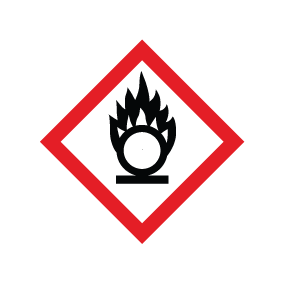
Oxidising
Oxidising covers chemicals that in their preparation, can lead to a dangerous reaction with other chemicals. The symbol for this COSHH hazard is a flame over a circle.

Gases under pressure
This symbol represents situations where gas is under pressure. It is also an example of a hazard that has recently been incorporated into the COSHH classification system. The symbol represents a gas cylinder.

Corrosive
The corrosive symbol is used to warn against chemicals that may damage living tissue on contact. The image shows a chemical spill causing the corrosion of a hand a surface material.

Toxic
The toxic symbol represents chemicals that can cause a lot of damage even in low and very low quantities. The symbol is of a skull and crossbones.

Health Hazard
The health hazard symbol is an indication of substances that may cause damage to health. The symbol is also used as an indication to take caution.

Serious health hazards
The symbol represents serious long-term threats to health. The picture in the sign shows a person with internal damage)

Dangerous for the environment
This COSHH symbol represents the risk of substances that may cause serious damage, either immediate or long term to multiple components of an environment. The symbol shows a dead tree alongside a dead fish.
Choosing between aqueous and solvent cleaners and degreasers depends on various factors, including the type of contaminants, materials being cleaned, environmental regulations, and safety considerations. Aqueous cleaners offer a more environmentally friendly and safer option, while solvent cleaners provide efficiency and thorough cleaning, particularly for heavy-duty applications.
When selecting a cleaner, it’s essential to consider the specific needs of your operation and the pros and cons of each type. By understanding the differences and applications of aqueous and solvent cleaners, you can make an informed decision that enhances your industrial cleaning processes while ensuring safety and compliance with environmental standards.
Thank you for joining us on this exploration of industrial aqueous and solvent cleaners and degreasers. We hope this guide helps you navigate the complexities of industrial cleaning and choose the best solution for your needs. If you have any questions or need further information, feel free to reach out.


