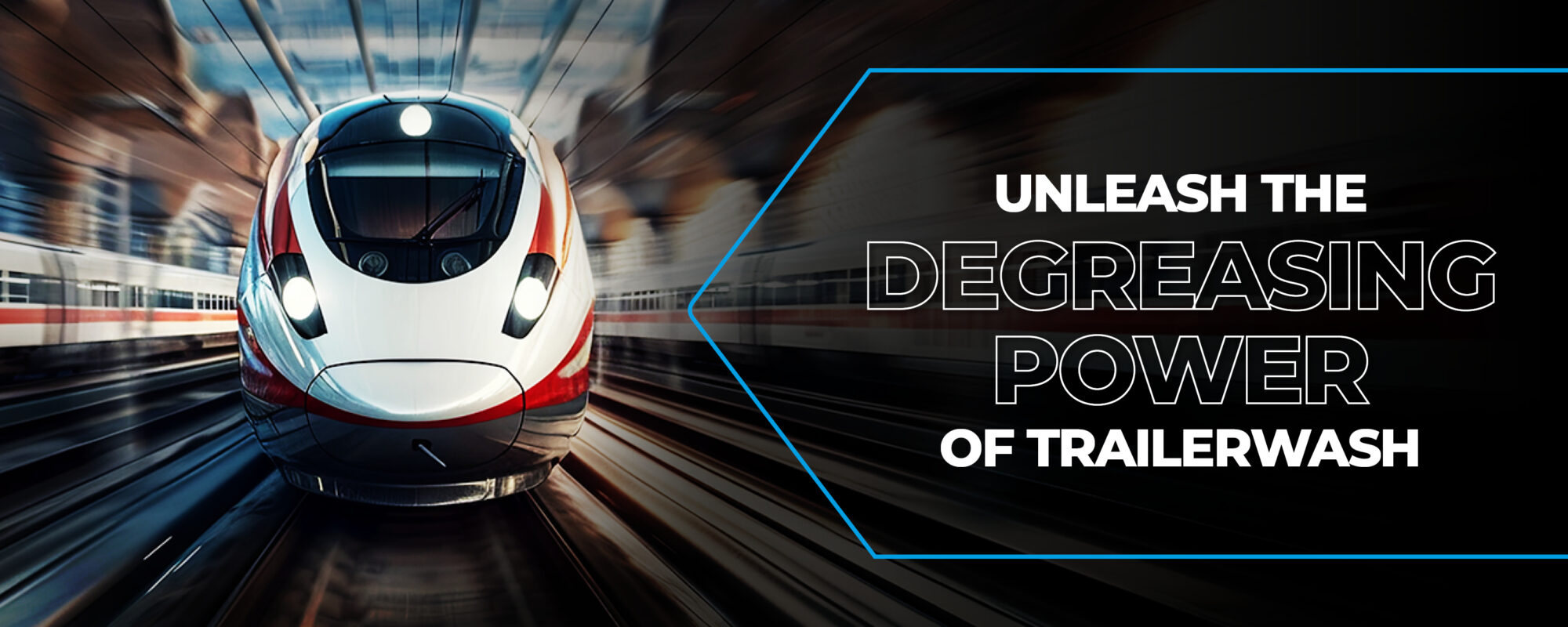
Our powerful formula penetrates deep into the most stubborn soils, lifting away dirt and grease effortlessly, leaving your trains looking pristine. Whether you’re dealing with heavy-duty grime, daily dirt or removing organic matter such as flies and insects, Trailerwash delivers unmatched degreasing power, making your job easier and your trains cleaner than ever before. Don’t settle for ordinary—unleash the extraordinary with Trailerwash and see the difference for yourself!
Highly concentrated formula for exceptional efficiency
Trailerwash’s highly concentrated formula is designed to tackle the toughest cleaning challenges in many sectors, including the rail industry. With excellent dilution rates, it offers a cost-effective solution for rail operators of all sizes.
Whether you are dealing with light soiling or heavy-duty degreasing, Trailerwash can be diluted to suit your needs – from ratios as low as 100:1 for light cleaning to 10:1 for the most stubborn grime.
Flexible and powerful solutions
Low cost-in-use
Concentrated formula offers excellent dilution rates

Powerful degreasing
An exceptional chassis cleaner
Flexible cleaning
Effective even in very hard water areas

Versatile formula
Can be used on trains to light vehicles
Effortless degreasing and soil removal
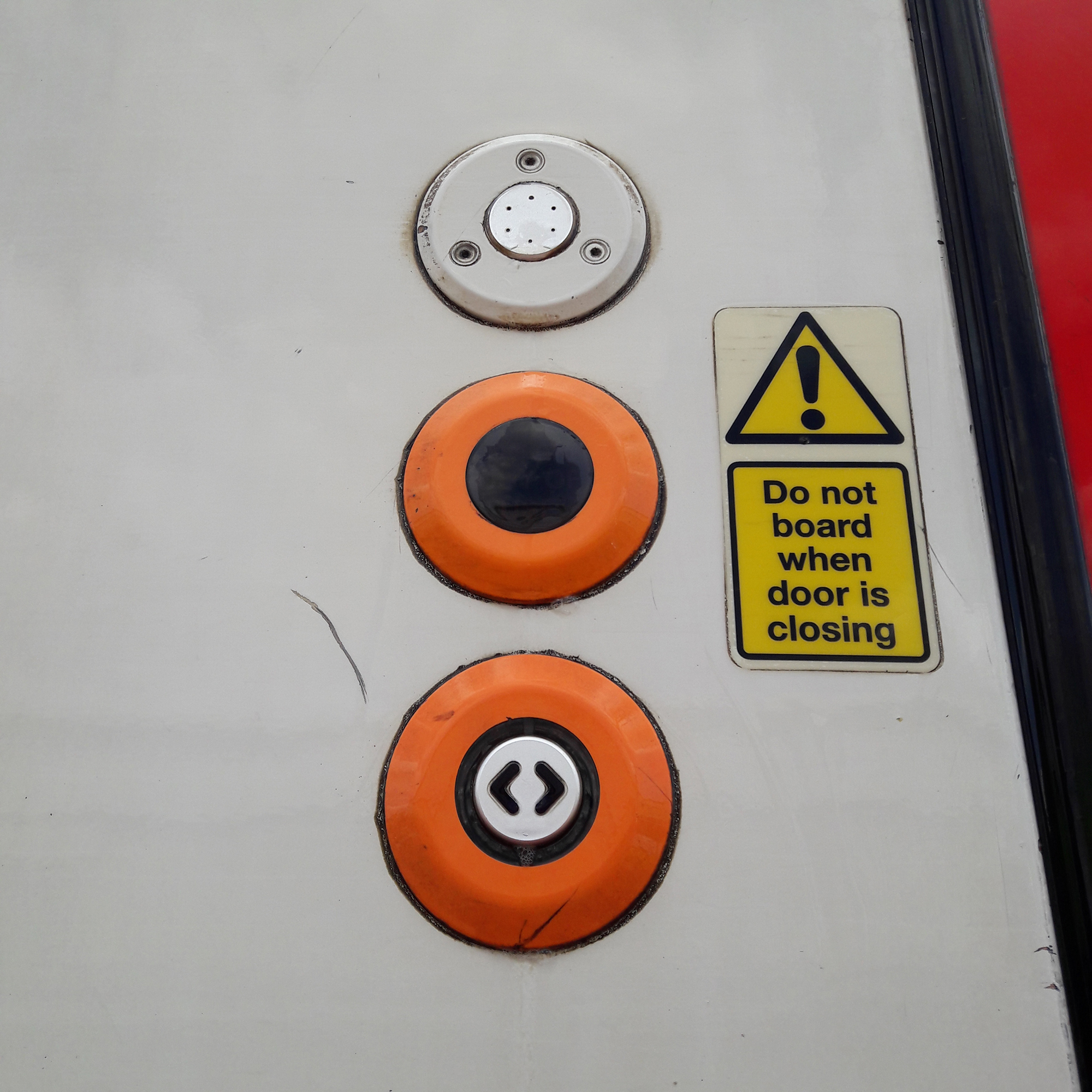
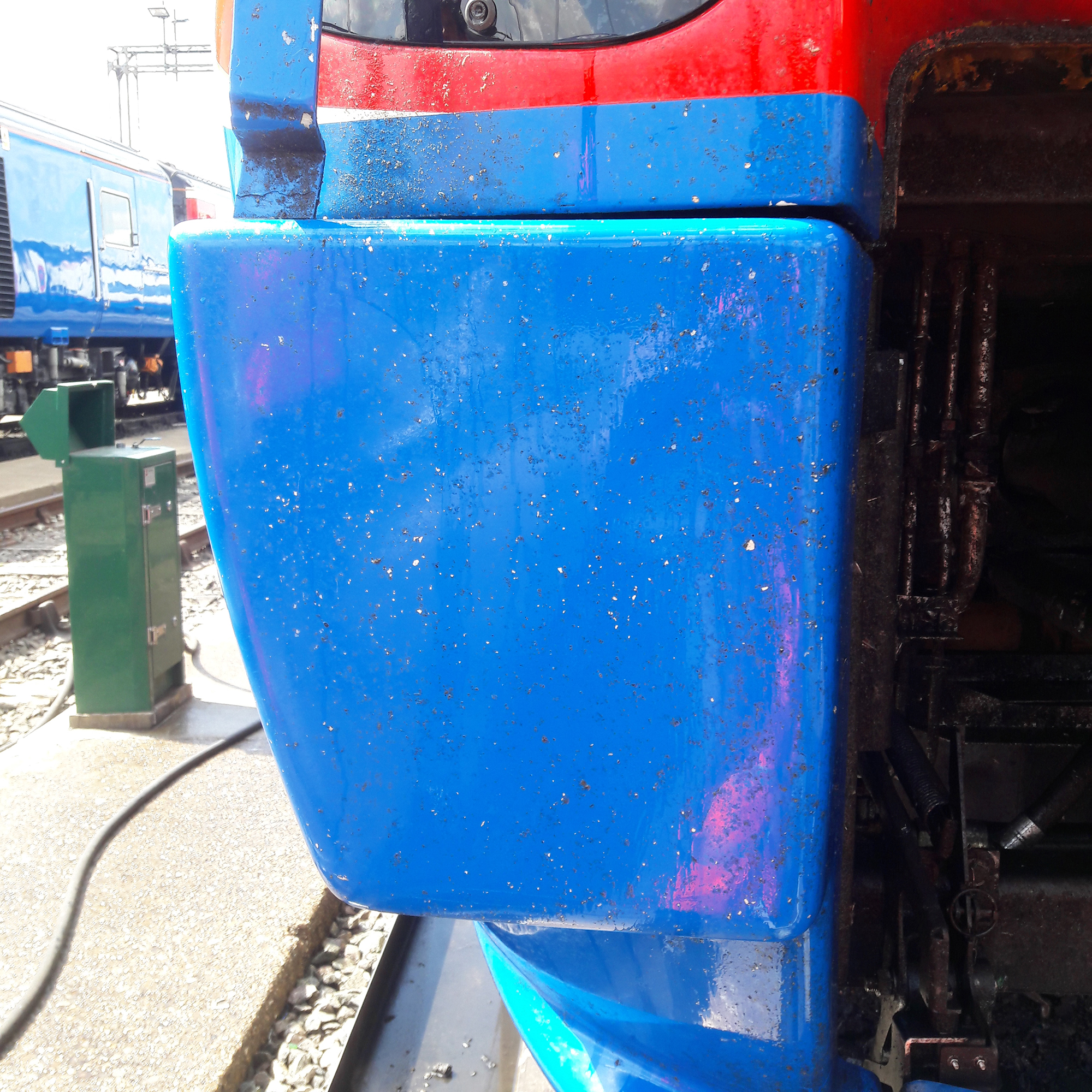
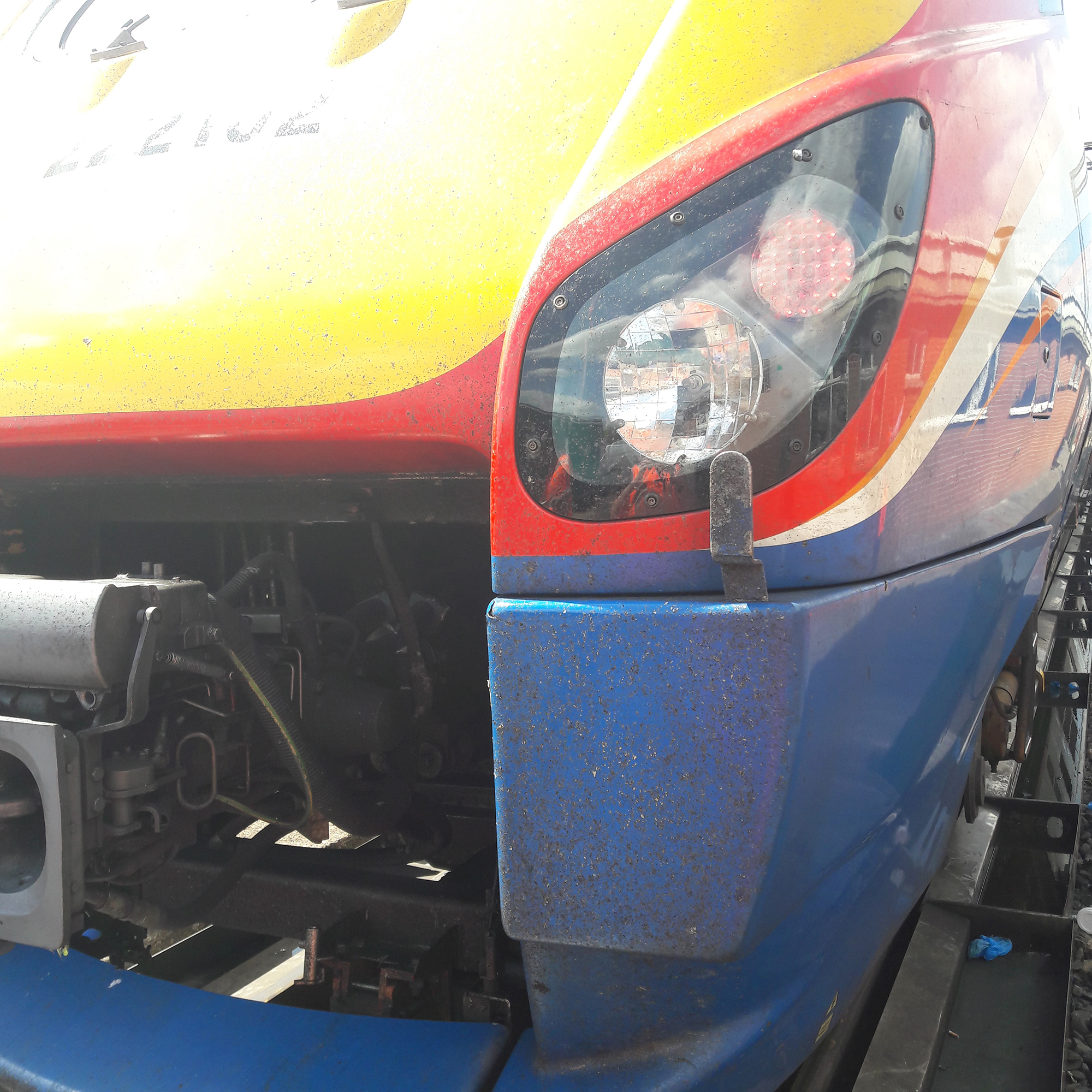
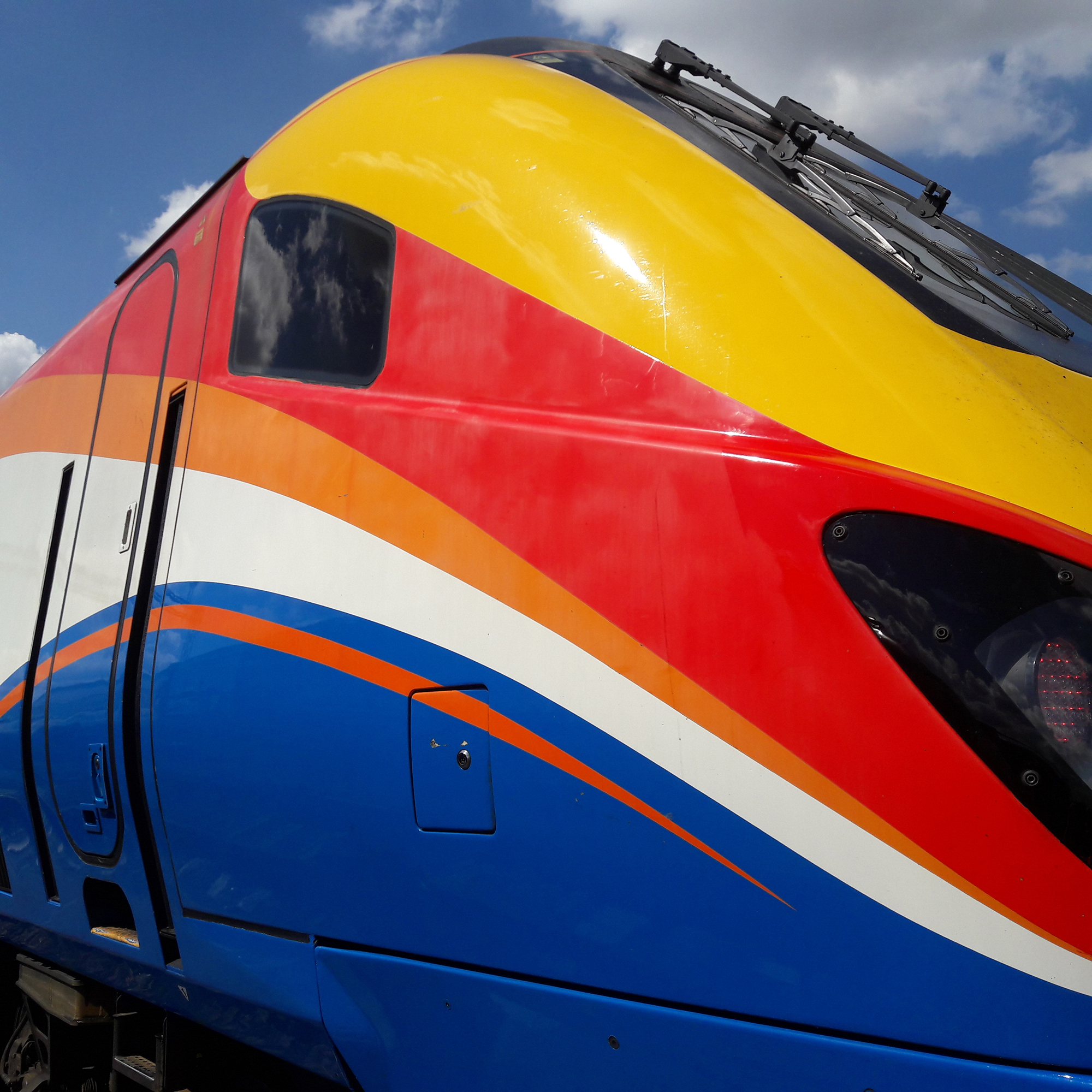
Rail vehicles accumulate a unique mix of contaminants, from brake dust and oil to general environmental dirt. Immediately on contact, Trailerwash’s powerful deep cleaning agents start working, breaking down and removing even the heaviest soiling. This makes it ideal for cleaning machines such as passenger train exteriors, freight locomotives, maintenance vehicles, and underground and metro trains.


Perfect for undercarriage and bogie cleaning
Just like with commercial road vehicles, the undercarriage of rail vehicles requires special attention. Trailerwash’s outstanding grease-cutting ability means it is suited for cleaning bogies and undercarriages. Its powerful degreasing action lifts dirt from hard-to-reach areas, ensuring that every part of your rail vehicle is thoroughly cleaned.
Versatile and effective in all conditions
Trailerwash is engineered to perform effectively under a variety of conditions, making it an ideal choice for the rail industry. Its versatile formula can be used with cold water, providing good cleaning results even in situations where hot water isn’t available. However, for optimal performance and efficiency, using Trailerwash with a hot water pressure washer will achieve the very best results.
The product’s thoughtful formulation includes water softeners, ensuring it maintains its cleaning power even in hard water areas – a common challenge in many regions. This feature makes Trailerwash a reliable choice regardless of your local water quality. Furthermore, Trailerwash is compatible with a wide range of materials commonly found in rail vehicles.
Whether you are cleaning metal components, plastic surfaces, or painted exteriors, Trailerwash can be used safely and effectively, providing a comprehensive cleaning solution for your entire fleet.
Sizes to suit every rail operation
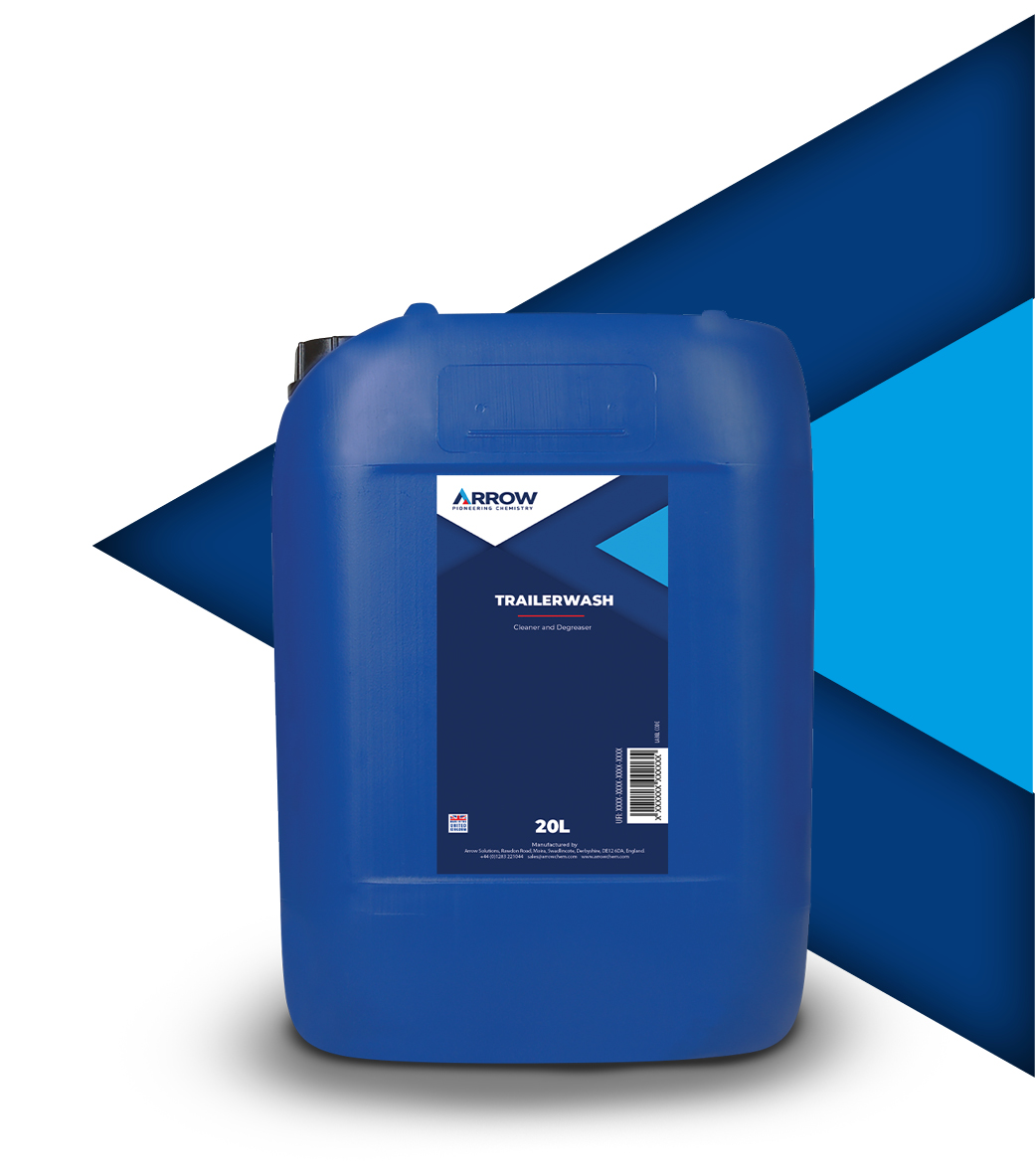
It doesn’t matter if you are responsible for a small regional fleet or a national rail network; Trailerwash is available in sizes to match your needs. With 20, 210, and 1,000 litre options available, you can choose the most efficient size for your operation and keep your rail operations on track.
Rail registrations
- Rail Cat No. 007/500042 (20 litres)
- Rail Cat No. 007/007874 (210 litres)
- Rail Cat No. 007/007875 (1,000 litres)
Make the switch to Trailerwash
To ensure that dirty exteriors don’t detract from the quality of your rail service, switch to Trailerwash and keep your fleet looking its absolute best. With its powerful formula and versatile application, Trailerwash is the ideal solution for maintaining the appearance and cleanliness of your rail vehicles.
To learn more about how Trailerwash can benefit your rail operations, visit the Trailerwash product page or get in touch with our team. For the latest news and updates, you can follow us on LinkedIn.